


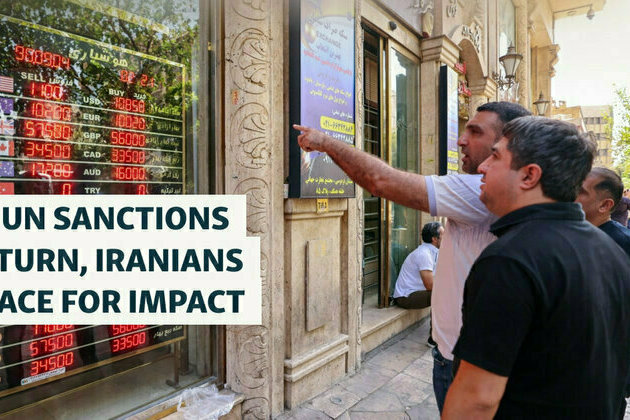
Anxious Iranians Brace For Impact Of Returning UN Sanctions
RFE
29 Sep 2025, 20:08 GMT+10
 Share
Share
 Tweet
Tweet
 Share
Share
 Flip
Flip
 Email
Email
Subscribe and Follow
Get a daily dose of Peking Press news through our daily email, its complimentary and keeps you fully up to date with world and business news as well.


News RELEASES
Publish news of your business, community or sports group, personnel appointments, major event and more by submitting a news release to Peking Press.
More InformationLufthansa plans sweeping job cuts as turnaround pressures mount
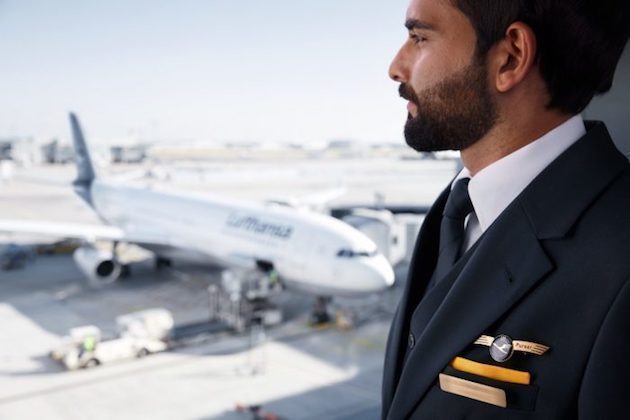
FRANKFURT, Germany: Lufthansa will announce several thousand job cuts on September 29 as part of a sweeping efficiency drive aimed...
Swiss pharma Roche expands US operations despite looming tariffs
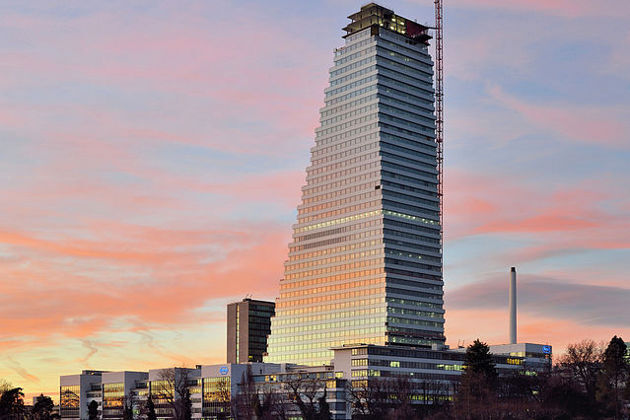
ZURICH, Switzerland: Swiss pharmaceutical giant Roche emphasized on September 26 that one of its U.S. units recently broke ground on...
Plan for tariffs tied to chip count could raise U.S. electronics costs

WASHINGTON, D.C.: The Trump administration is weighing a plan to impose tariffs on imported electronic devices based on the number...
Spain student housing market surges as overseas enrolment climbs

MADRID/LONDON: Spain's student housing market is emerging as a magnet for global investors, drawn by soaring international enrolments...
TikTok US sale moves ahead as Trump certifies $14 billion deal
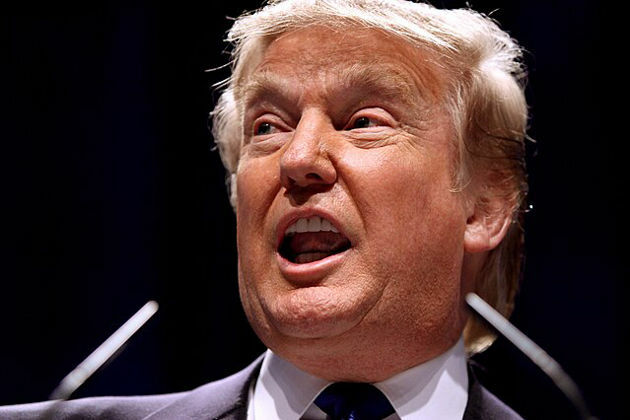
WASHINGTON, D.C.: President Donald Trump has signed an executive ordercertifying that his plan to spin off TikTok's U.S. operations...
Amazon settles FTC case for $2.5 billion over Prime enrollment tactics

SEATTLE, Washington: Amazon has agreed to pay US$2.5 billion to resolve U.S. government claims that it misled millions of customers...
TikTok US sale moves ahead as Trump certifies $14 billion deal
WASHINGTON, D.C.: President Donald Trump has signed an executive ordercertifying that his plan to spin off TikTok's U.S. operations...
Tattooist Act could end decades-long ban in South Korea

GOYANG, South Korea: The country's National Assembly is expected to pass the Tattooist Act, which would formally allow non-medical...
14 dead, dozens missing in Taiwan as Ragasa lashes Hong Kong

HONG KONG/SHENZHEN, China: Typhoon Ragasa, the strongest tropical cyclone of 2025, surged toward southern China on September 24, following...
Ragasa, strongest storm of 2025, shutters Hong Kong and southern China
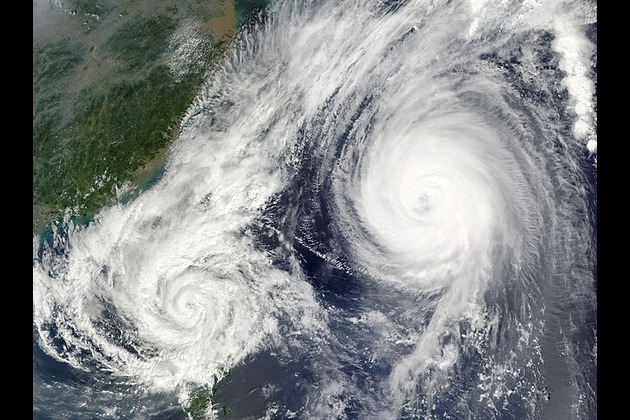
HONG KONG: Hong Kong went into lockdown on September 23 as Super Typhoon Ragasa — the world's most powerful storm of 2025 — closed...
Anxious Iranians Brace For Impact Of Returning UN Sanctions
UN sanctions on Iran, lifted under the 2015 nuclear deal,snapped backover the weekend despite Tehrans efforts to prevent such a move....
CHINA-GUANGDONG-GUANGZHOU-AIRPORT-NEW TERMINAL-CONSTRUCTION (CN)
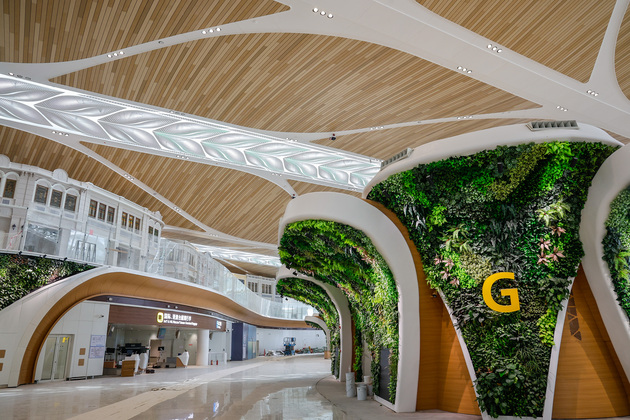
(250929) -- GUANGZHOU, Sept. 29, 2025 (Xinhua) -- Roof sunshades in the shape of rice ears and check islands in the shape of kapok...
