


Chinese researchers develop computational framework to study aging
Xinhua
09 May 2026, 20:18 GMT+10

 Share
Share
 Tweet
Tweet
 Share
Share
 Flip
Flip
 Email
Email
Subscribe and Follow
Get a daily dose of Peking Press news through our daily email, its complimentary and keeps you fully up to date with world and business news as well.


News RELEASES
Publish news of your business, community or sports group, personnel appointments, major event and more by submitting a news release to Peking Press.
More InformationAmazon expands pharmacy push with Ozempic, fast delivery

NEW YORK CITY, New York: Amazon said it will begin offering Ozempic pills for type 2 diabetes through its pharmacy kiosks, alongside...
Hormuz uncertainty leaves global shipping firms in limbo

NEW YORK CITY, New York: Global shipping companies are facing mounting costs and uncertainty as hundreds of vessels remain stranded...
Clamour for technology shares boosts Nasdaq Composite

NEW YORK, New York - U.S. and world stock markets ended Friday's trading session with starkly divergent results, as U.S. technology...
US and partners launch digital trade pact after WTO deadlock

GENEVA, Switzerland: The United States and 18 other World Trade Organization members have agreed among themselves not to impose duties...
Oil markets face prolonged strain even if Gulf conflict ends

LONDON, U.K.: Even if the United States and Iran strike a deal to end the war in the Middle East, global oil supplies are expected...
China’s DeepSeek seeks billions in maiden fundraising push
BEIJING, China: DeepSeek could be valued at up to US$50 billion in its first external fundraising round, as the company moves away...
Ex-chairman of China Eastern Airlines found guilty of corruption
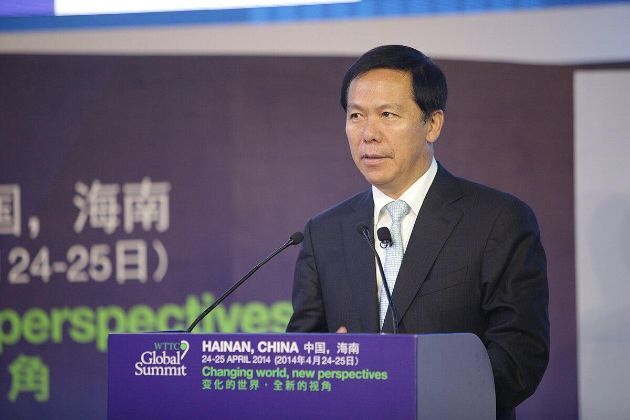
HONG KONG: China's top anti-corruption body has indicted a former chairman of China Eastern Airlines Group on bribery charges, China's...
Torpedo test fired by Taiwan for first indigenously built submarine

TAIPEI, Taiwan: In a project that strengthens deterrence against the Chinese navy and protects vital sea lanes in the event of war,...
China’s DeepSeek seeks billions in maiden fundraising push
BEIJING, China: DeepSeek could be valued at up to US$50 billion in its first external fundraising round, as the company moves away...
Chinese researchers develop computational framework to study aging
BEIJING, May 9 (Xinhua) -- A team of Chinese researchers has built a computational framework to study aging at the individual level...
Chinese scientists discover new extreme particle accelerator in cosmos

BEIJING, May 9 (Xinhua) -- For decades, scientists have been trying to solve a mystery: Where do high-energy cosmic rays come from?...
Update: Chinese defense ministry urges Japan to face up to history, take real actions to atone for crimes

BEIJING, May 9 (Xinhua) -- A Chinese defense ministry spokesperson on Saturday urged the Japanese side to demonstrate the courage to...
